Trump administration threatens to cut SNAP funds in blue states that refused to share recipient data
12/09/2025 / By Jacob Thomas

- The Trump administration is threatening to withhold federal funds from 21 Democratic-led states that have refused to share comprehensive SNAP (food stamp) recipient data, citing the need to root out fraud and verify eligibility.
- The resisting states, including California and New York, argue the demand is an unlawful overreach that breaches state and federal laws protecting the confidentiality of SNAP data and could disrupt essential food aid.
- Opponents contend the data request is part of a broader initiative to identify and deport undocumented immigrants, jeopardizing participant privacy and undermining the anti-hunger program.
- The USDA frames the issue as a matter of accountability, stating access to data is necessary to prevent improper payments and ensure benefits go only to eligible Americans.
- The dispute has escalated into a major legal and political standoff, with lawsuits filed and a looming deadline that could suspend administrative funds for SNAP in non-compliant states, potentially affecting millions of recipients.
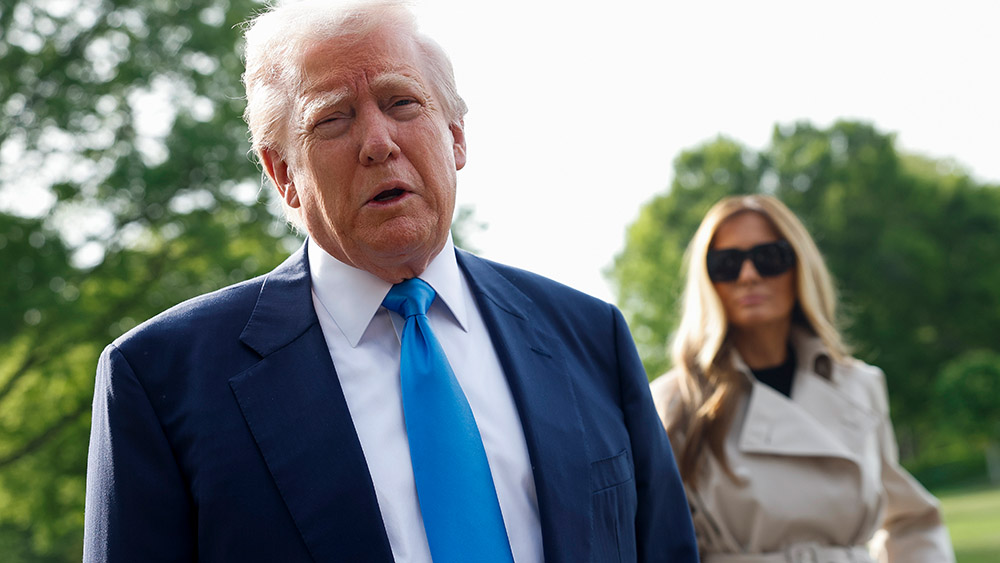
A high-stakes confrontation between the Trump administration and nearly two dozen Democratic-led states is escalating, with federal food assistance funds for millions of Americans now hanging in the balance. The dispute centers on a demand for detailed state food stamp records, a move the White House calls a fraud-fighting necessity but opponents decry as an unlawful overreach that jeopardizes privacy and essential aid.
The clash reached a new peak when Agriculture Secretary Brooke Rollins announced the administration will begin halting certain federal fund transfers to states refusing to share comprehensive Supplemental Nutrition Assistance Program (SNAP) data. Speaking during a Cabinet meeting, Rollins stated the measure is intended to “root out fraud and protect taxpayers.”
According to BrightU.AI‘s Enoch engine, SNAP data tracks program participation, costs and outcomes, such as error rates and economic impact. This data is used to assess the program’s effectiveness, efficiency and areas needing improvement.
The administration’s demand is not new. It stems from a broader initiative, intensified by a March 2020 executive order from President Donald Trump, directing agencies to secure data from federally funded state programs. In February, the USDA requested full SNAP records from all 50 states, seeking identifying details on recipients to verify eligibility. According to Rollins, 29 Republican-led states have complied, while 21 Democrat-led states “continue to say no.”
“The administration will begin to stop moving federal funds into those states next week until they comply,” Rollins declared. A subsequent USDA statement specifically cited “states like California, New York and Minnesota, among 19 other blue states,” as holdouts, though it noted “28 states and Guam joined us in this fight,” creating a slight numerical discrepancy with the secretary’s remarks.
The outcome will resonate far beyond state agriculture offices
For the resisting states, the issue is one of legality and privacy. A coalition of Democratic states has already filed lawsuits arguing the USDA’s demand breaches state and federal laws requiring the confidentiality of SNAP data. Plaintiffs in that litigation warn the data demand could disrupt critical food aid and that penalties for noncompliance “could have catastrophic consequences for states and residents who rely on SNAP.”
Opponents argue the request, part of a broader initiative to identify and deport illegal immigrants, would expose sensitive personal information. They contend it oversteps federal authority and undermines long-standing privacy protections designed to encourage participation in the anti-hunger program, which supports roughly one in eight Americans monthly.
The USDA, however, frames the issue as a fundamental matter of accountability and stewardship. Officials argue that access to state-level data is critical to detect improper payments and prevent ineligible participants from receiving benefits, ensuring that “Americans in need receive assistance, while at the same time safeguarding taxpayer dollars from abuse.”
Following an initial deadline of July 30 for states to transfer data, the USDA has now sent another formal request. Noncompliant states are set to receive written notice that administrative funds used to operate SNAP could be suspended. While the department has not specified which exact funding streams may be targeted or the immediate fiscal impact, the threat is clear: comply or risk losing vital federal support.
Watch this video to know more about the SNAP benefits issue.
This video is from the alltheworldsastage channel on Brighteon.com.
Sources include:
Submit a correction >>
Tagged Under:
anti-hunger program, benefit cuts, big government, Brooke Rollins, data privacy, data sharing, Democratic states, executive order, federal funding, federal-state conflict, food stamps, fraud prevention, immigration enforcement, lawsuit, money supply, Republican states, SNAP, state rights, Supplemental Nutrition Assistance Program, Trump administration, USDA, welfare, welfare policy, White House
This article may contain statements that reflect the opinion of the author
RECENT NEWS & ARTICLES